Rethink OTC Lice Treatments: Safer Alternatives
Health, Lice Treatments
Why You Should Think Twice Before Using OTC Lice Treatments
When lice show up, most parents rush to the pharmacy for over‑the‑counter (OTC) lice remedies. They promise fast, easy relief—but they’re not always the safest or most effective choice. Understanding the risks and exploring safer lice treatments can protect your child’s health and your peace of mind.
Why Not to Use OTC Lice Treatments First
Traditional OTC lice treatments often rely on pesticides such as permethrin or pyrethrins. For years, these were considered the standard of care. However, many lice populations have developed resistance, meaning these products may no longer kill lice effectively. Families end up repeating treatments, exposing children to chemicals again and again without guaranteed results.
Another concern is skin and scalp irritation. Sensitive children can experience redness, burning, itching, or even allergic reactions. While serious side effects are less common, they are documented, and they are a key part of the broader Lice Treatment Risks parents need to weigh. Using powerful chemicals close to the eyes, nose, and mouth—especially on very young children—deserves careful thought, not panic‑driven decisions.
Understanding Modern Lice Treatments and Their Risks
Today’s lice treatments fall into a few main categories. OTC lice remedies are widely available and typically pesticide‑based. Prescription products may use stronger or newer ingredients. Then there are Natural Lice Solutions and manual removal approaches that avoid harsh chemicals altogether. Each option has pros and cons, but the biggest mistake is assuming that “more chemical” automatically means “more effective.”
Key Lice Treatment Risks include:
Reduced effectiveness due to resistant lice strains, leading to prolonged infestations
Skin, eye, or respiratory irritation from repeated chemical exposure
Misuse—such as leaving products on too long or combining multiple treatments—which can increase side effects without improving results
📌 Key Takeaway: Repeating ineffective OTC lice remedies can expose children to more risk than the lice themselves.
Safer, Natural Lice Solutions That Actually Work
Many families are turning to Natural Lice Solutions that focus on suffocating or manually removing lice rather than poisoning them. These approaches may include specialized enzyme‑based sprays, non‑toxic dimethicone oils, and meticulous comb‑outs with a high‑quality metal nit comb. While they can require more time and patience, they avoid many of the chemical risks associated with traditional OTC lice treatments.
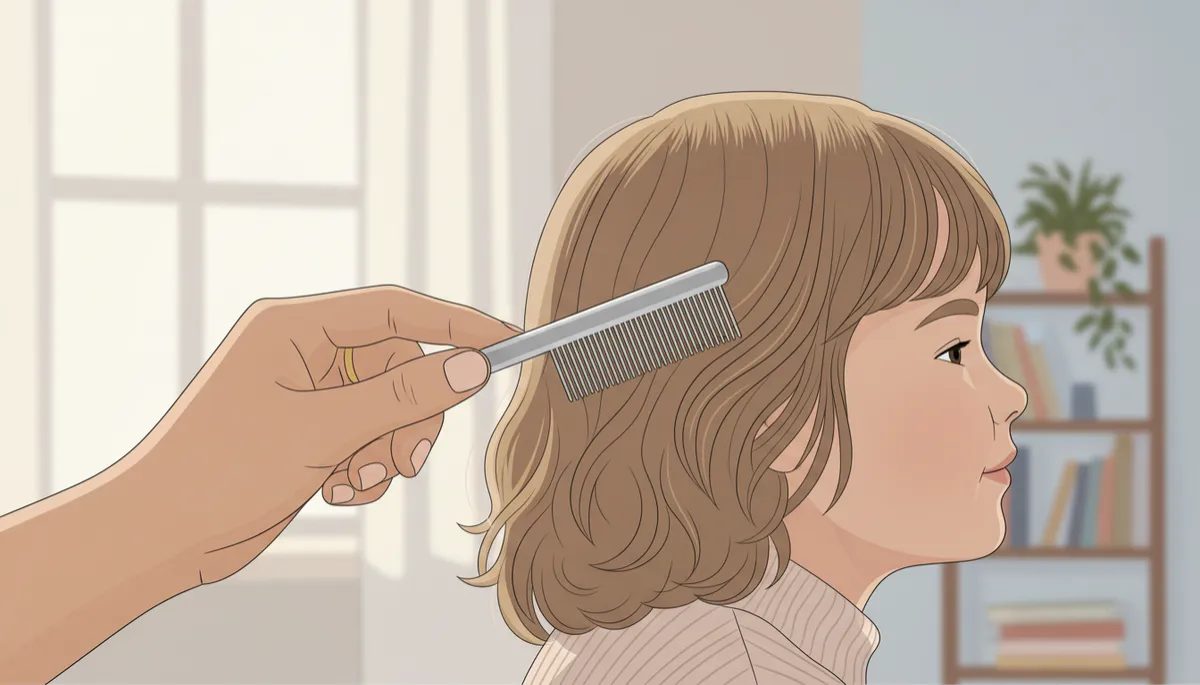
Careful combing remains one of the safest and most reliable lice solutions.
For many families, partnering with a professional lice removal clinic or following evidence‑based home protocols is more effective than cycling through multiple OTC lice remedies. These methods emphasize thoroughness over chemicals, helping ensure that both live lice and eggs (nits) are removed.
Pediatric Advice: What Doctors Want Parents to Know About Lice
When it comes to Pediatric Advice Lice specialists often stress three points: don’t panic, don’t over‑treat, and don’t rely solely on chemicals. Many pediatricians now recommend non‑pesticide options first, especially for infants, young children, or kids with asthma, allergies, or sensitive skin. They also emphasize the importance of following directions exactly and avoiding “DIY cocktails” of multiple products, which can increase Lice Treatment Risks.
Lice Prevention Tips to Reduce Future Outbreaks
No method can guarantee you’ll never see lice again, but simple Lice Prevention Tips can lower the risk:
Teach children not to share hats, brushes, hair ties, or headphones
Keep long hair braided or in a bun during school and activities
Do quick, regular scalp checks during known school outbreaks so you can act early with gentle lice treatments
In the end, the goal is clear: remove lice effectively while protecting your child’s overall health. By questioning routine use of OTC lice treatments, considering safer natural options, and following sound pediatric guidance, you can handle lice calmly, confidently, and with far less chemical exposure.
